
A Real-World Bookmark Should Be Useful After the Scan
A code on a display is only the beginning. The value comes from sending someone to the right next step—and being able to update that destination as the moment changes.
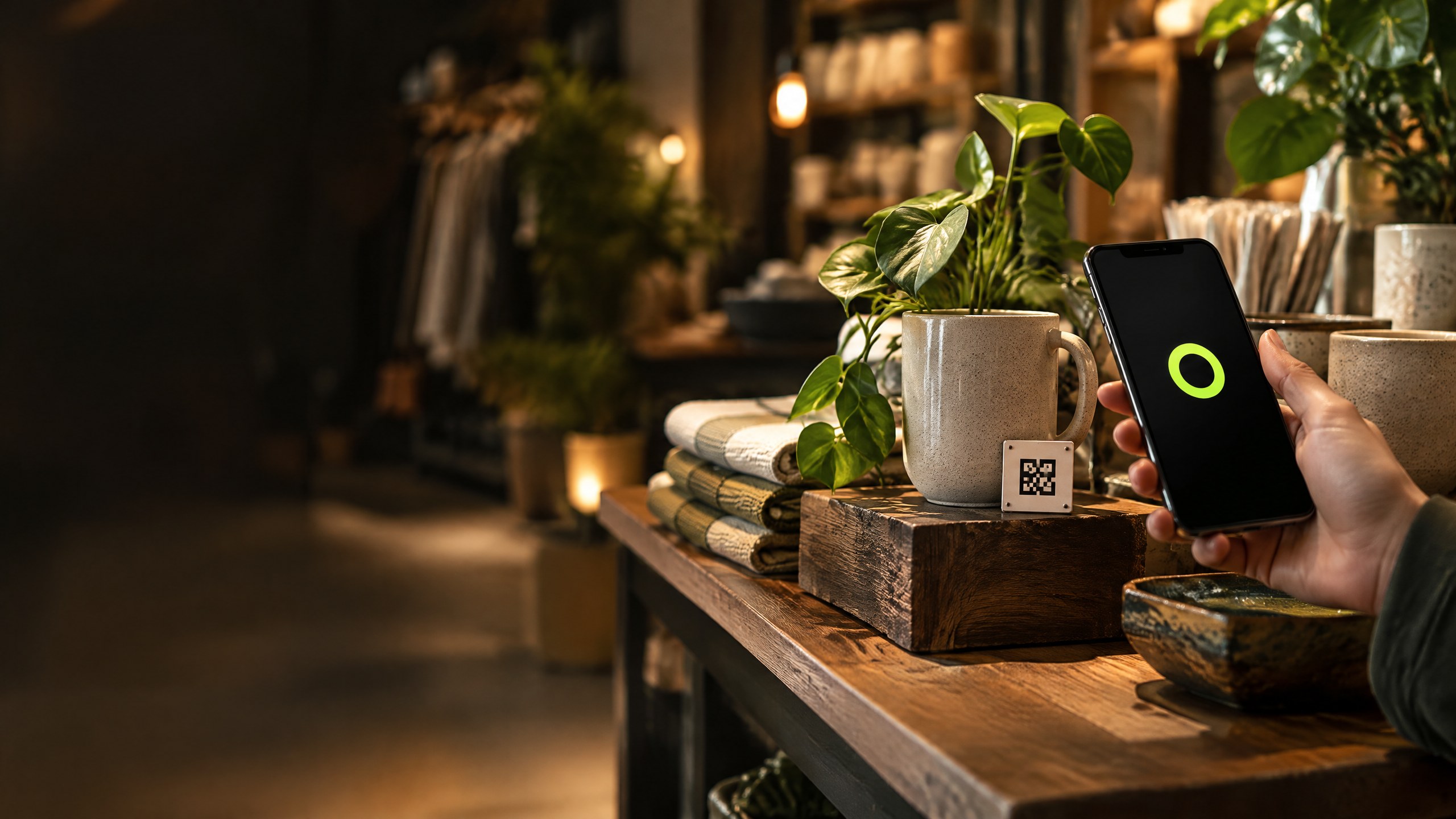
The physical world needs a memory layer
People see useful things away from a browser: a product display, a restaurant window, a concert sign, a sponsor message, a vehicle, or an event booth. The question is not whether they can scan a code. The question is whether the scan gives them a useful reason to return.
Qthatup BQR Tags are designed as updateable destinations for those real-world moments. The printed or displayed tag can remain in place while the approved destination changes as a campaign, menu, event, or message changes.
Choose one job for each tag
A tag should answer one obvious question. It can take someone to a product detail, an available offer, an event check-in, a video, a station activation, a location page, or a contact path. Trying to make one tag do everything creates uncertainty after the scan.
The visible callout should state the benefit in plain language. ‘See today’s menu,’ ‘join the live poll,’ or ‘save this station moment’ is more useful than a vague instruction to scan.
Keep the destination current and owned
A real-world bookmark has to remain accurate. The business or partner responsible for the physical placement should know who owns the destination, how it is changed, and when an old campaign is removed.
The destination should also respect the user’s expectation. A product tag should not unexpectedly open an unrelated form, and a campaign should not imply a reward or discount unless that offer is currently available.
Design for the next use, not only the first scan
The best physical-to-digital experience gives a visitor something to do now and a reason to come back: save a useful item, set a reminder, follow a station, join an event at the right time, or revisit a location’s current information.
That is the difference between a disposable code and a real-world bookmark. The physical object starts the relationship; the destination earns the return visit.